Start with something almost everyone agrees on
If it costs the same, helping two people is better than helping one.
It sounds too obvious to say. Take it seriously, though, and it changes how you think about doing good.
How a simple idea about helping others leads somewhere surprising. Scroll to follow along. It takes about five minutes.
If it costs the same, helping two people is better than helping one.
It sounds too obvious to say. Take it seriously, though, and it changes how you think about doing good.
So compare two ways to spend $30,000.
A rich country's health service, like the NHS in the UK, will often spend that much to give someone one extra year of healthy life. By ordinary standards, that's money well spent.
GiveWell's research suggests that about $100 to one of the most cost-effective charities, such as the Against Malaria Foundation, gives a child a year of healthy life. The same $30,000 buys around 300 years.
These are rough estimates. Even if they were ten times too optimistic, the gap would still be thirtyfold.
Most people don't expect gaps this big. Asked to guess, people said the best charities were about 66% more effective than typical ones.
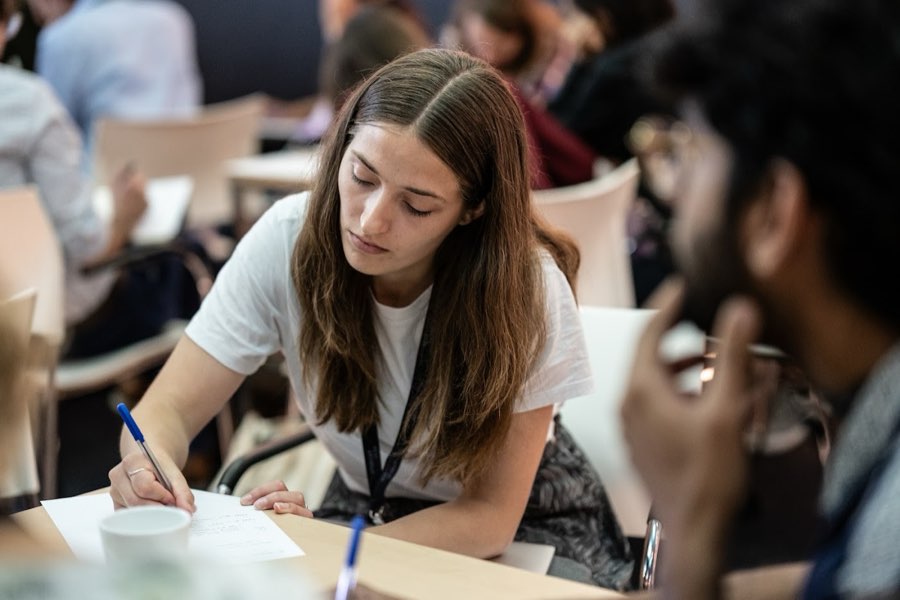
The research suggests the best do around 100 times more good.
On ordinary graph paper, the best options don't fit on the page. You need a log scale, where each band is ten times the one below.
Gaps like this are normal. Like income, the good done by different options has a long tail, with a few options far ahead of the rest. So the question worth asking is how to find the very best.
There are so many problems in the world that it's hard to know what to prioritise.
We think it makes sense to focus on the largest and most neglected. When a huge problem gets little attention, an extra person or euro goes much further than it would in a crowded field.
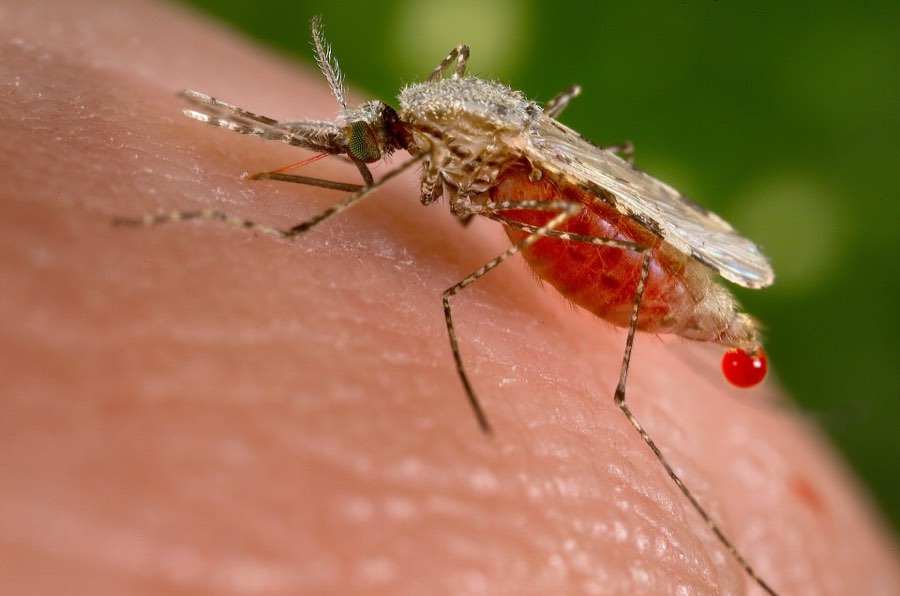
Millions of people worldwide suffer from curable diseases, extreme poverty and mental illness. Malaria alone killed about 600,000 people in 2023, most of them young children.
Some of the best fixes are cheap and proven: bednets, malaria pills, cash transfers.
80+ billion land animals farmed and killed
~100 million hens spared the worst cages so far
Factory farms raise and kill more than 80 billion land animals a year, many of them in severe confinement. For a problem this size, it gets very little attention.
Well-targeted campaigns go a long way. Corporate cage-free campaigns have already spared around 100 million hens the worst cages.
2016: a punchline
2026: the headline
Some risks threaten everyone alive. Effective altruists were warning about pandemics years before covid-19, and about advanced AI when it was still a punchline.
Today that means work on making AI safe and well governed, and on biosecurity to prevent engineered pandemics. In 2023, hundreds of AI researchers signed a statement that reducing the risk of extinction from AI should be a global priority.
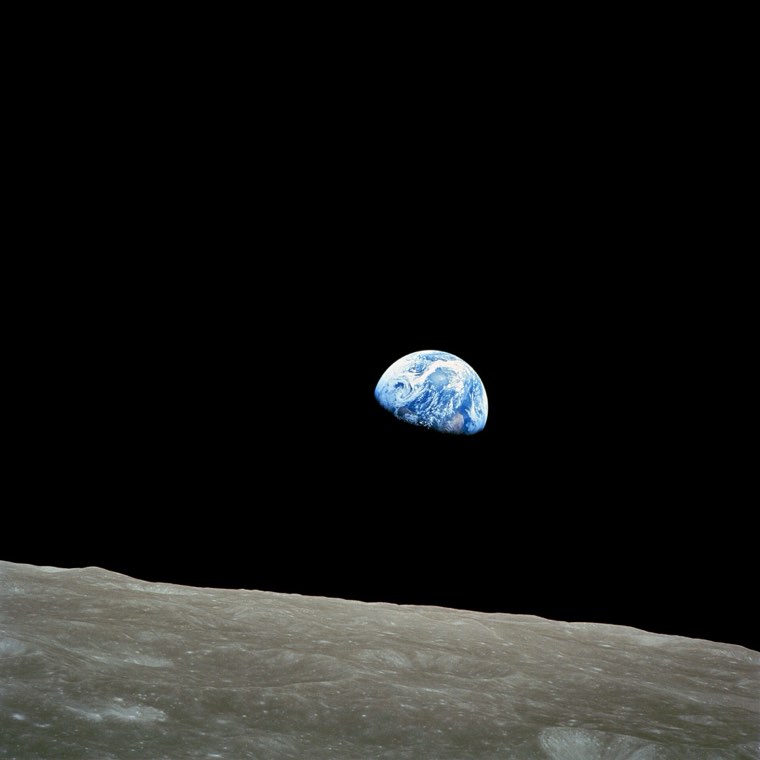
If humanity makes it, most of the people who will ever live haven't been born yet. That gives us two jobs.
Effective altruists were ahead of the curve on AI and pandemics. To be ahead of the curve, you have to be open to unusual ideas.
Can shrimp and insects suffer? Hundreds of billions of shrimp and around a trillion insects are farmed every year. Could AI systems become sentient, and if so, should we care about their wellbeing?
Following the evidence sometimes leads somewhere strange. We think that's a feature, not a bug. As Will MacAskill argues, a movement that stopped entertaining strange ideas would stop being early to anything.
Our circle of compassion has widened before, and it always sounded strange at first.
Ending slavery?
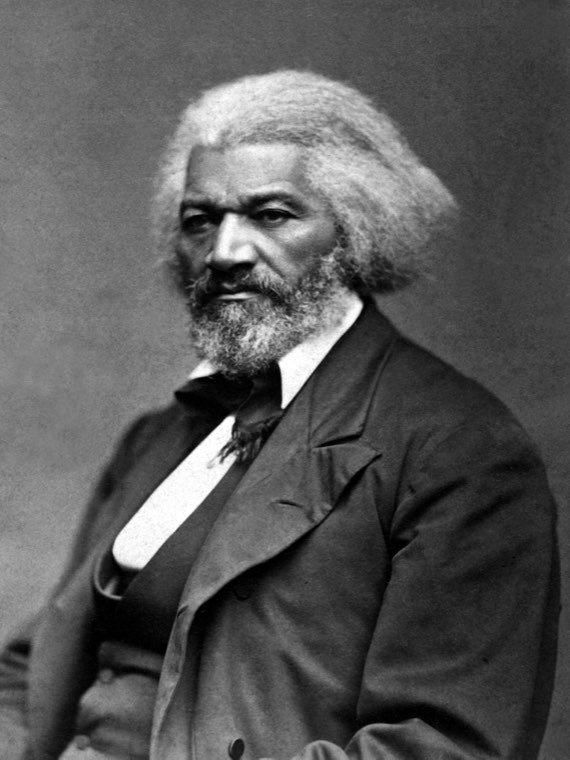
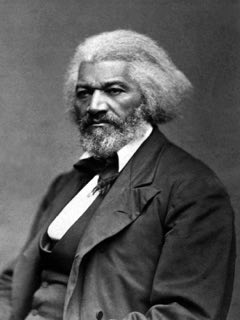
Frederick Douglass escaped slavery in 1838 and spent his life arguing for its end. The Netherlands abolished slavery in its colonies in 1863.
Votes for women?
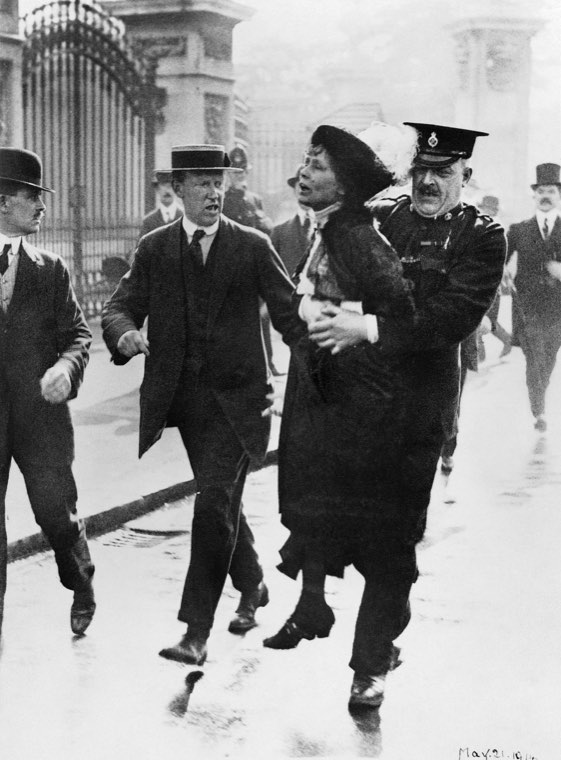
Emmeline Pankhurst was arrested again and again for demanding the vote. Dutch women won it in 1919.
Equal rights for gay people?

In 1897, Magnus Hirschfeld co-founded the first organisation to campaign for gay rights. In 2001, the Netherlands became the first country to open marriage to same-sex couples.
Caring about animals?
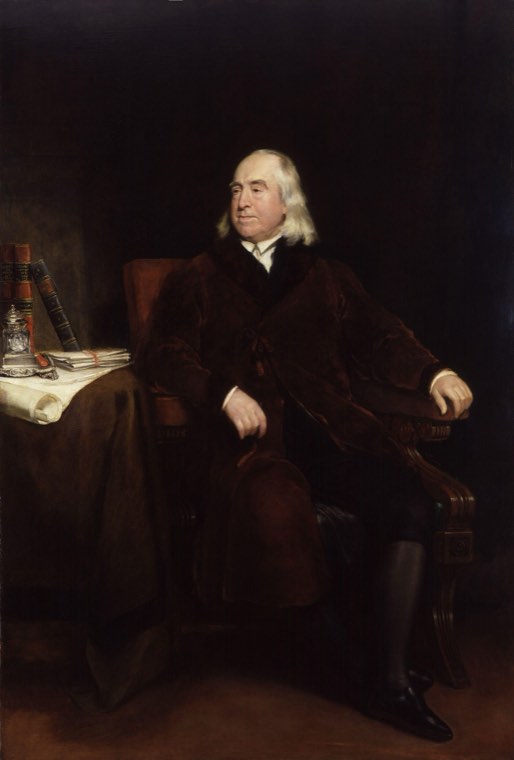
"The question is not, Can they reason? nor, Can they talk? but, Can they suffer?"
Each of these causes widened our circle of compassion: the circle of those whose suffering and wellbeing we take seriously. Each was mocked at first. Each now looks obvious.
Widening the circle is often counter-cultural. It means caring about people and animals your society overlooks, before that's popular. Some of today's strange-sounding ideas may look just as obvious one day.
Some strange ideas will turn out to be wrong, and we'll drop them. Openness only works with a good dose of common sense.
We also try not to stake everything on a single moral view. We weigh several, avoid actions that look bad from many perspectives, and keep to everyday ethics: be honest, keep your promises, look after the people around you.
Ethics is often framed as avoiding harm: don't lie, don't steal, shrink your footprint. That matters. Doing good is also about what you add to the world.
And most of us are in an unusually good position to add a lot. We find that exciting. Here are four ways to use it.
You'll spend around 80,000 hours of your life working. Pick a pressing problem, a role where you can contribute a lot and work that suits you, and the gains multiply.
If the best options are ten times better on each of those, together they can be a thousand times better.
The Netherlands is one of the richest countries in the world. If you take home more than about $20,000 a year, you're probably among the richest 10% of people alive.
GiveWell estimates its top charities save a life for roughly $3,000 to $5,000. Giving 10% of your income over a career could save dozens of lives. More than 10,000 people have pledged to give at least that much.
Rich countries like the Netherlands help shape global policy on aid, trade, climate and new technology. Voting, writing to representatives and campaigning on big, neglected issues can move far more money than most of us could ever give.
You can also help other people do more good. Tell a friend about a high-impact job, run a local group, fundraise, or share these ideas with people who'd want to hear them.
If two people you get started each do as much as you would have, you've tripled your impact. And they can pass it on.
Try our quick, free course on the world's most pressing problems. Six short units, start anytime, go at your own pace. Think Duolingo for doing good.
Prefer to talk to a person first? Come to one of our events, or book a call with one of our co-directors.
The world's most pressing problems · about 100 minutes
A selective, five-week programme for people ready to go deeper. Expect about 3.5 hours a week of reading and small-group discussion. It's a real commitment and places are limited, so we ask you to apply. The next round starts in early 2027.
Join the waitlist